


Summer is the perfect time for families to enjoy pools, lakes, beaches, and backyard water play. Whether your child is taking their first swim, building confidence in the water, or spending sunny afternoons by the lake, water safety should always come first.
To help families enjoy a fun and safe summer, Kids & Company has collaborated with the water safety experts at Inspired Swim to share five essential tips every parent and caregiver should know. From active supervision and swim lessons to life jackets and emergency preparedness, these simple practices can help children build confidence around water while giving families greater peace of mind all season long.
Water Safety by the Numbers
- Drowning is one of the leading causes of preventable injury-related deaths among young children.
- Drowning is often silent and can occur in as little as 20 to 60 seconds.
- The Lifesaving Society recommends active adult supervision whenever children are in or near water (this includes bath tubs!)
- Properly fitted personal flotation devices (PFDs) are recommended whenever children are boating or participating in activities on open water.
Here are five essential water safety rules every family should know.
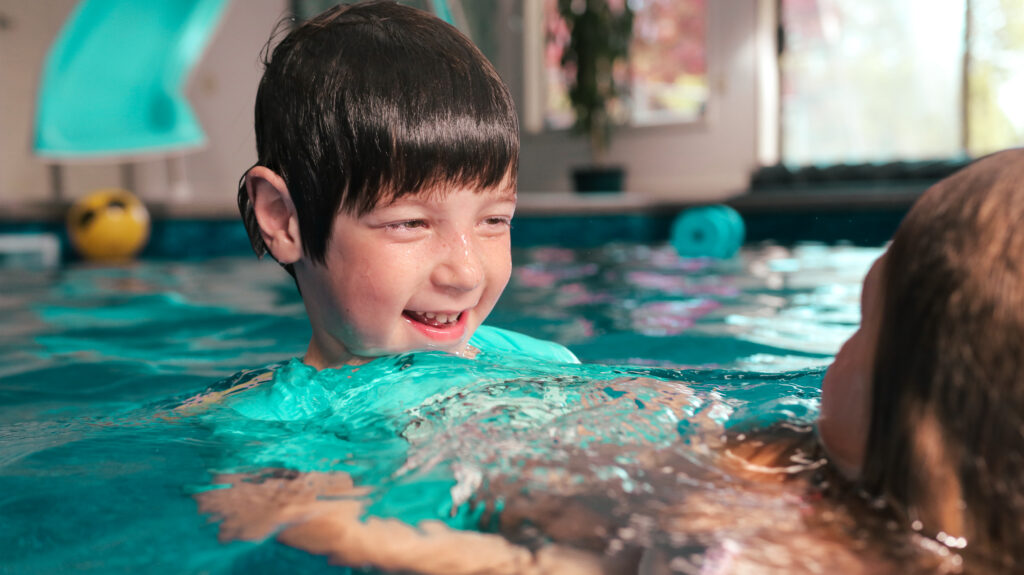
1. Always Provide Active Adult Supervision
- No matter how comfortable your child is in the water, active adult supervision is the most important step in preventing water-related accidents. By “active” supervision, this means ensuring you are giving your full attention to your swimmer. When supervising, avoid distractions such as phones, reading, or lengthy conversations. If several adults are present, consider designating one person as the “Water Watcher” so there is never any confusion about who is responsible for supervision.
- Drowning is often silent and can happen in a matter of seconds. Young children should always remain within arm’s reach of a responsible adult whenever they are in or near water.
Active supervision remains one of the most effective ways to help keep children safe around water.
2. Swim Lessons Build Skills, But They Don’t Replace Supervision
Swimming lessons are an excellent way to help children develop confidence, learn essential water safety skills, and become stronger swimmers.
However, it is important to remember that no child is ever completely “drown-proof,” regardless of their age or swimming ability. Even experienced swimmers require close supervision whenever they are in or around water. Swimming lessons should always be viewed as one part of a complete water safety plan, alongside active supervision and safe practices.
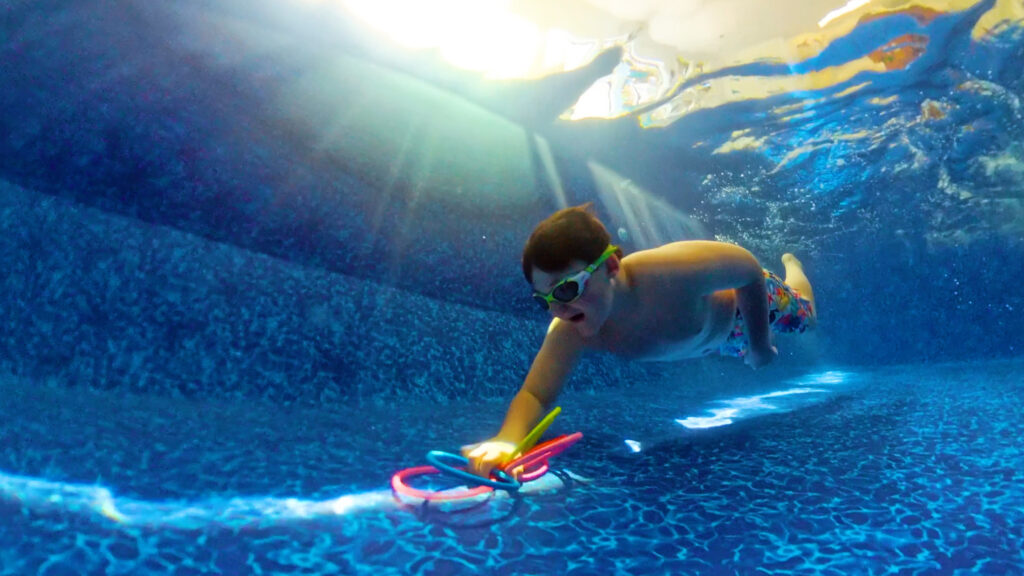
3. Wear Properly Fitted Life Jackets Around Open Water
Whether your family is boating, kayaking, paddleboarding, or spending time near lakes and rivers, children should wear a properly fitted personal flotation device (PFD).
Unlike swimming pools, open water environments can present changing weather, currents, uneven surfaces, and unexpected drop-offs. A properly fitted life jacket provides an added layer of protection when participating in water activities. Find infant, youth and child fitted PDF’s at websites like paddle.ca HERE
It’s also important to remember that while inflatable water wings, pool noodles, and floating toys are fun and designed for play, they are recommended for enjoyment—not safety These should never replace a certified life jacket.
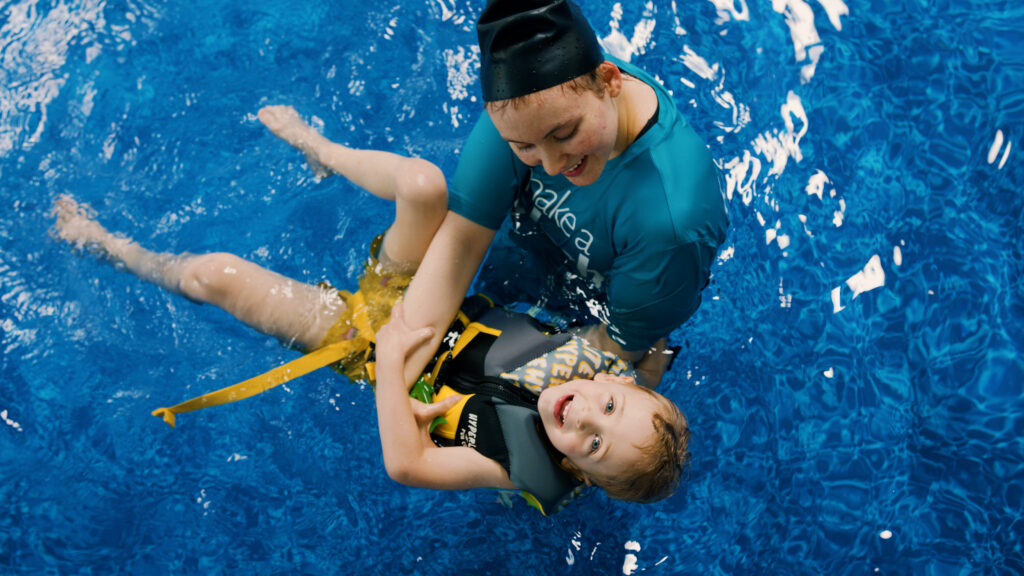
4. Teach Water Safety Habits Early
Water safety education can begin long before children learn to swim.
Simple habits introduced early can help children build confidence and make safer choices around water as they grow. One fun way to reinforce this is by teaching children to pause before entering the water. For example, it can be helpful for children to learn to say “Stop. Look. May I jump?” before getting into a pool or body of water. This simple phrase encourages children to stop, check that an adult is ready and watching, and ask for permission before entering the water. Some important lessons include:
- Always ask an adult for permission before entering the water. (Example! “Stop. Look. May I jump?”)
- Learn safe ways to enter and exit pools.
- Never swim alone. Introduce a buddy system! Teaching children to always have a swimming buddy is a simple way to reinforce safe habits around water. Whether they are swimming at a pool, beach, or lake, children should always have a trusted person nearby and should never enter the water without adult supervision.
- Recognize that all bodies of water, including pools, lakes, rivers, ponds, and oceans, have different risks.
- Stay aware of water hazards wherever you are. These hazards can include, but are not limited to, slippery surfaces, water currents, waves, changing weather, uneven surfaces, and more.
Building these habits early encourages children to respect water and understand how to enjoy it safely.
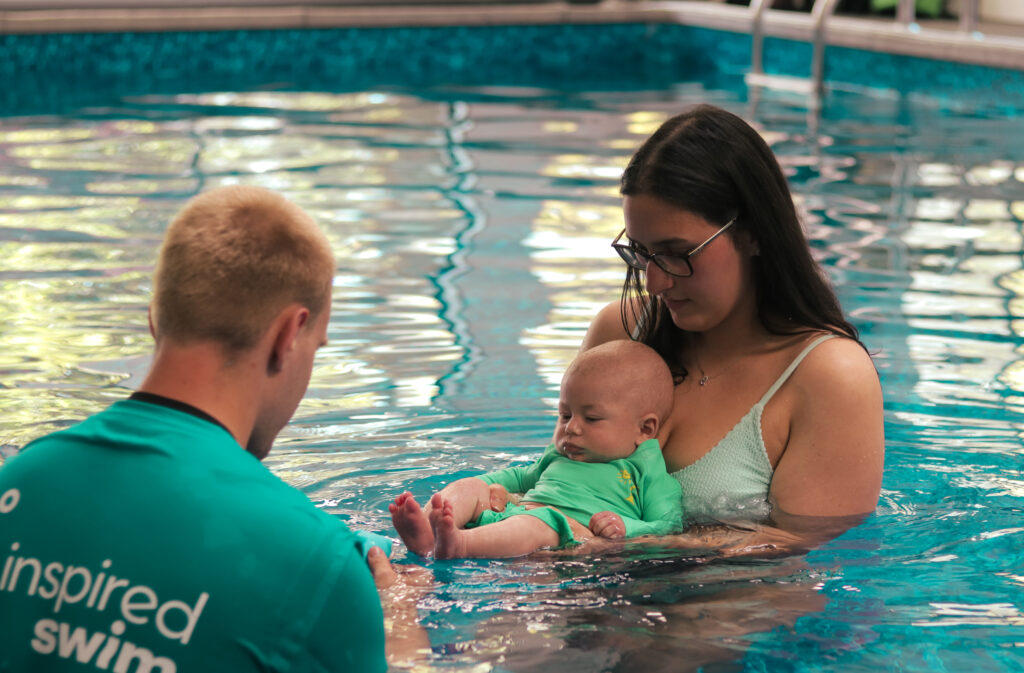
5. Be Prepared for Emergencies
Being prepared can make all the difference during an emergency.
Parents and caregivers are encouraged to:
- Learn CPR. There are many fantastic courses online and in-person that adults can engage in to get certified in CPR, and help feel confident in supervising your children around the water. Explore programs available such as those through the Lifesaving Society.
- Keep a charged phone nearby whenever swimming.
- Know your exact location when visiting beaches, lakes, or parks so emergency responders can find you quickly should you need to call for support.
- Discuss an emergency plan before entering the water. This can be a simple conversation with your child about water safety rules, who to call for help, and what to do if they see someone in trouble. For example, remind your child “If you ever feel unsafe in the water, alert an adult, and try to stay calm.” or – for older children, “Before we swim, let’s make sure we know where the adults are who are watching and where we can find a phone if we need one.” Having these conversations before entering the water helps children understand what to do in an emergency and gives families a shared plan to follow.
Having a plan in place helps everyone respond more quickly and confidently if an unexpected situation arises.
6. Water Safety Is a Shared Responsibility
Water safety is about much more than learning to swim. It is about building lifelong habits that help children stay safe and confident around water.
By combining active supervision, swim lessons, properly fitted life jackets, safe water practices, and emergency preparedness, families can significantly reduce the risk of water-related accidents while making the most of summer adventures together.
As families spend more time around water this season, taking a few extra precautions can help create safe, enjoyable memories that last a lifetime.
Did you know? National Drowning Prevention Week takes place each July and serves as an important reminder that drowning is preventable. Through active supervision, swimming skills, life jacket use, and emergency preparedness, families can help children build safe habits that last a lifetime.
Looking to learn more about water safety or register your child for swimming lessons? Explore everything Inspired Swim has to offer HERE. As a Kids & Company family, you can enjoy $50 off Inspired Swim programming through our Partner Perks program.* HERE
*Offer available at Inspired Swim locations in Alberta and British Columbia for the 2026-2027 season.