

More Than Play: Our Emergent Curriculum
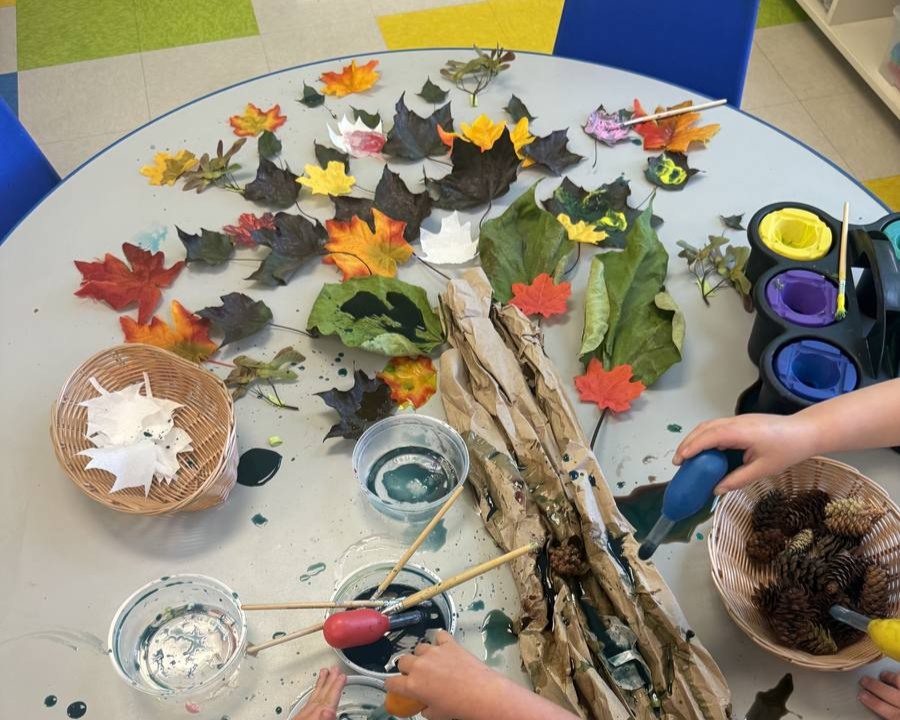
A child stops on the way in from the yard. There is a puddle by the gate, and floating in it, a single leaf. She crouches. She pokes it. It spins. She looks up and asks the question that will shape the next two weeks: why does it float?
An educator could answer. Instead, she asks a question back. What do you think?
That small choice — a question met with a question — is the whole idea behind how we teach at Kids & Company. We call it emergent curriculum, and it is worth explaining, because it looks different from what many of us remember of school.
What is an Emergent curriculum?
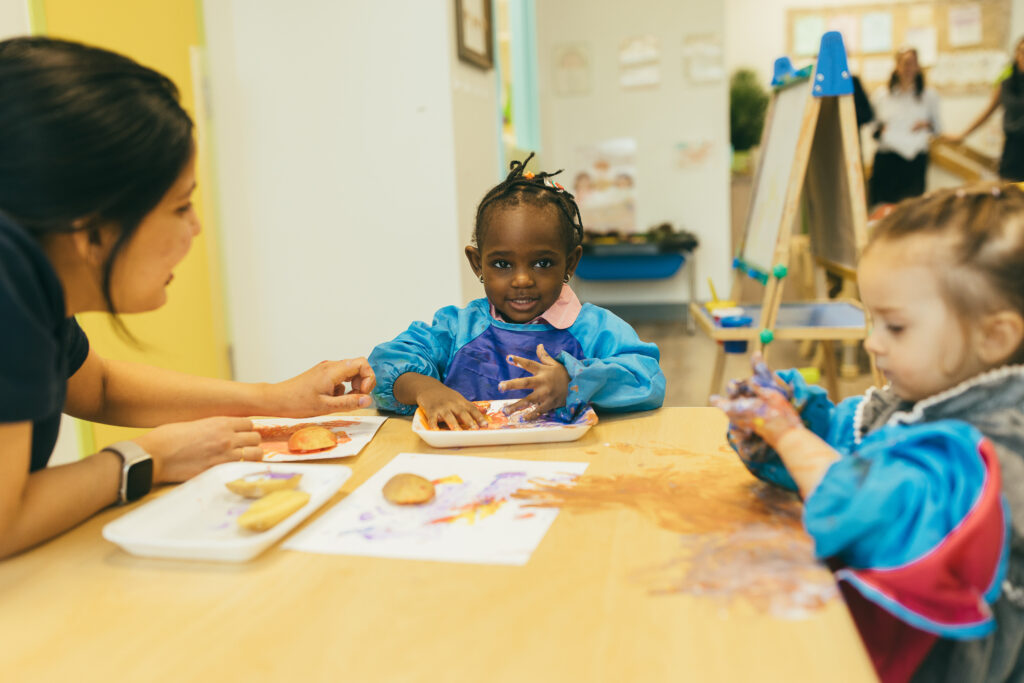
Emergent curriculum is a play-based, child-centred approach to learning that grows from children’s own interests. Rather than opening a binder to Monday’s lesson, our educators watch. They listen to the conversations, notice what a child returns to again and again, and pay attention to what makes a room lean in. Those observations become the plan.
So the leaf in the puddle becomes a study of floating and sinking. Which turns into a question about boats. Which turns into building one from blocks, then testing it, then rebuilding it stronger. Somewhere in there, without a worksheet in sight, the children are doing early science, mathematics, language, and problem-solving. And to them, it’s playtime.
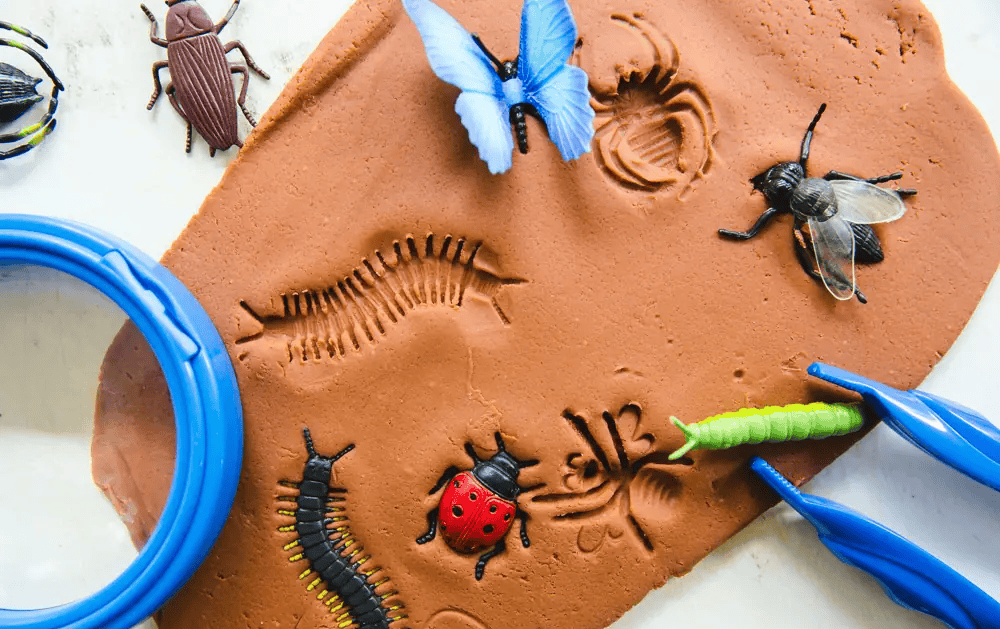
Because children’s interests are always moving, the curriculum moves with them. One week it is puddles. The next it might be insects, or space, or the garbage truck that comes on Thursdays. No two classrooms look quite alike, and that is the point.
Where the idea comes from
The concept of an Emergent Curriculum grows out of decades of respected early-childhood thinking — the work of theorists like John Dewey, Jean Piaget, and Lev Vygotsky, who each showed that children don’t simply absorb knowledge handed to them. They build it themselves, through play, relationships, and hands-on experience. It’s an approach that has shaped early education around the world for generations.
And the research keeps agreeing. Studies of play-based, child-centred learning connect it to stronger language, sharper problem-solving, better self-regulation, and healthier social skills — the very foundations children carry into school and beyond. Neuroscientists have even found that play helps shape the developing brain, refining the parts that handle focus, memory, and decision-making. When a child is genuinely engaged in something they care about, they learn more deeply and remember it longer. Play isn’t a break from learning at this age. It is the learning.
Why we teach this way
Because children learn best when they are genuinely engaged, and nothing engages a child like their own question. When learning starts with what a child already loves, it stops being something done to them and becomes something they do.
So the next time you pick up your child and they tell you they “just played” all day, you can smile knowing the fuller story. That play was them testing ideas, solving problems, negotiating with friends, and making sense of the world — the most serious, important work a young child can do.
The topics will keep changing all year. The goal never will: confident, capable, curious children who feel safe to explore the world around them and find out how it works.
It started with a puddle. It rarely ends there.